
How Weather Patterns Influence Goose Behavior and Travel
If you’ve spent any time around ponds, parks, or golf courses in Ohio, you’ve probably seen plenty of geese. Canada geese are known for traveling in V-shaped flocks and showing up in places they weren’t a few weeks earlier. That’s because their behavior is closely tied to weather patterns.
Changes in temperature, rainfall, and wind can all impact where geese go and how they act. Even small shifts in climate or the changes in daylight from one season to the next can have a big impact on where they move.
In this blog, we’ll look at how different weather conditions influence goose behavior, when and why they fly, and what that means for you.
How Temperature Shapes Bird Migration Patterns
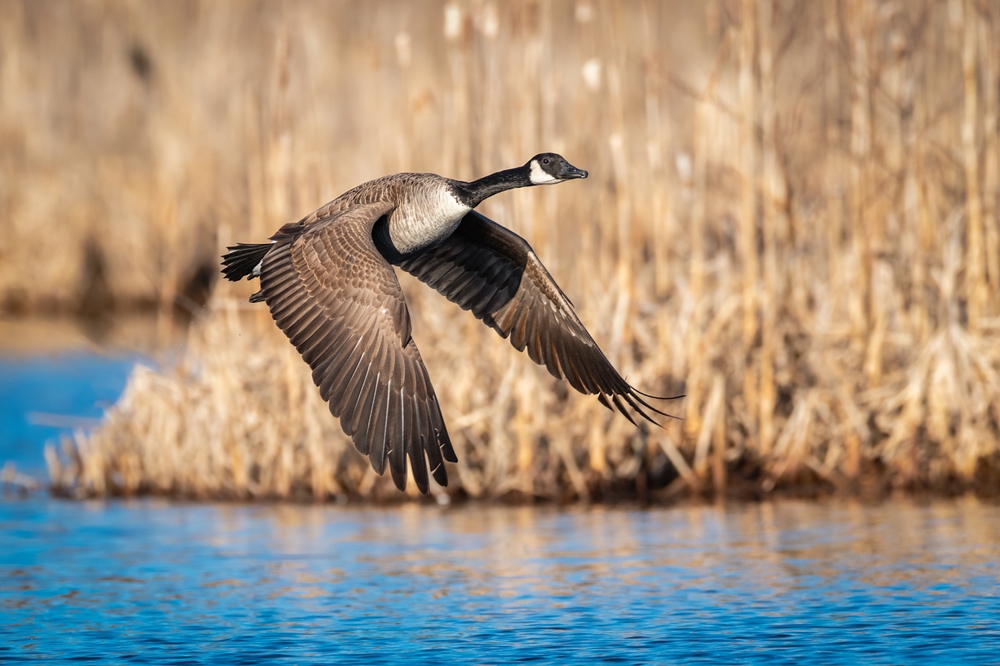
Every year, migrating birds like geese follow well-established paths. These are called migration patterns, and they usually involve heading north in the spring to nest and raise young, then south again in the fall to find warmer habitats and food.
But the timing of these migrations isn’t set in stone. Geese rely on signals from nature—especially temperature and changes in daylight—to decide when to move. When the weather warms earlier than usual in Ohio, some flocks may start their spring migration ahead of schedule. If the fall stays warmer for longer, they might delay heading to their wintering areas.
In some cases, geese don’t even leave. A growing number of Canada goose populations are staying in Ohio year-round. These birds have found open water and grassy areas to feed in, even during the colder months. The more our local climate shifts, the more their migration habits will start to shift with it.
How Wind and Storms Affect Where Geese Fly
When it comes to travel, geese don’t just go wherever they want. They pay close attention to the wind. A good tailwind helps them fly longer distances without using as much energy. That’s a big deal when you’re moving hundreds of miles across different climates and environments.
But strong headwinds or storm systems can slow them down or change their route. When the skies get rough, it takes more energy expenditure to stay on course. Some flocks will land and wait it out. Others might be pushed off track and end up in places they didn’t plan to go—like your parking lot, schoolyard, or neighborhood.
Fast-moving storms and sudden shifts in weather can also affect when geese decide to leave. If the conditions turn harsh overnight, they may leave earlier or fly shorter distances than usual. That unpredictability makes it hard to guess exactly where they’ll show up next, which is why it helps to track weather patterns when managing geese.
How Rain, Snow, and Other Weather Conditions Affect Goose Behavior
Weather conditions like rain and snow also affect goose behavior. After heavy rain, flooded fields or ponds can create temporary nesting spots. These wet areas might seem like a great place for geese to rest or feed, even if they’re close to buildings or roads.
Snow can also change their plans. When grass is covered, it’s harder for geese to find the food they normally graze on. This may lead them to head for cleared areas like sports fields or business lawns. In places where the snow sticks around, they’re more likely to travel south to find easier feeding grounds.
Frozen lakes and ponds also push geese to move. They need open water for safety and rest, so when everything freezes, they either relocate or spend more time on land—often near people. That’s why you might notice more geese hanging around open drainage ponds or man-made lakes during the colder months.
How Climate Change Is Changing Goose Migration
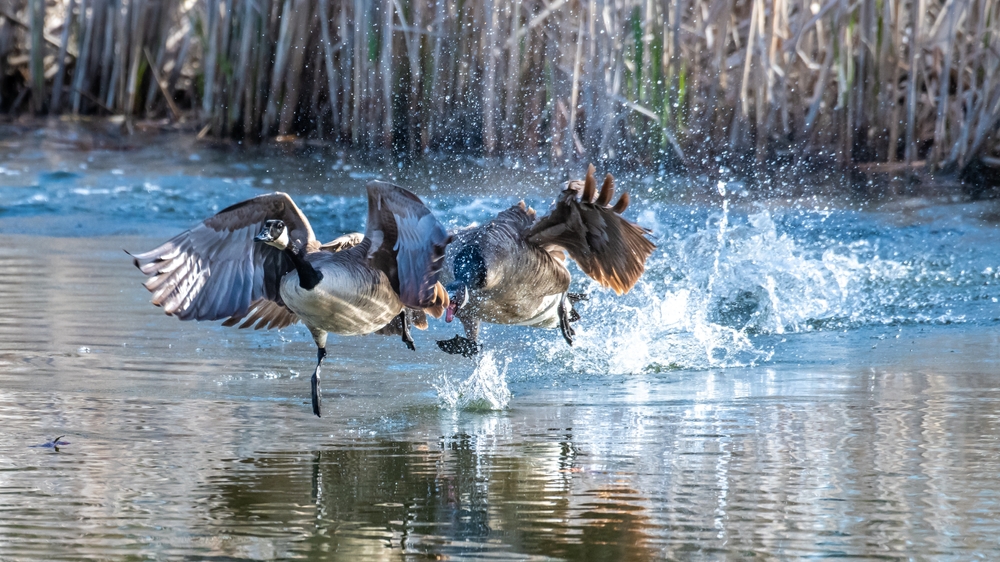
Over time, shifts in the climate are changing how geese migrate. Warmer winters and longer falls mean that many Canada goose flocks don’t feel the need to leave anymore. What used to be a seasonal visitor is now a year-round resident in parts of Ohio and other states.
These changes are affecting wildlife across the country. When temperature changes disrupt the normal rhythm of spring migration and fall movement, it affects how species interact with each other and the ecosystems they live in.
Some snow geese, for example, are also adjusting their routes. And the more adaptable these birds are, the more likely they are to settle in areas that give them what they need—water, space, and plenty of food.
If you’re a property owner, that means more long-term problems. When migrating birds stop migrating, you’re not just dealing with a seasonal issue. You’re dealing with a new normal.
Why Understanding Weather Helps with Wildlife Control
If you’re a property owner in Columbus, understanding how weather patterns affect geese can help you know what to expect. Geese don’t show up randomly—they respond to temperature, wind, rain, and other conditions that tell them when to move or stay.
By watching local weather conditions, you can get a better idea of when geese are likely to show up, how long they might stay, and where they’re likely to go. For example, warmer winters or sudden cold snaps can change where migrating birds land, which might bring them right to your property.
This kind of awareness makes it easier to time your goose control strategies. Whether you’re using trained dogs, visual deterrents, or nest management, planning around goose behavior gives you a better chance of stopping problems before they grow.
A goose control service that understands both behaviour and environmental conditions can help you stay ahead of the curve—especially when nature keeps changing the rules.
Staying Ahead of Goose Behavior as the Climate Shifts

As the climate keeps changing, we’re seeing more shifts in goose behavior—not just in when they move, but also in where they settle and how long they stay. Milder winters, unpredictable weather conditions, and longer changes in daylight are all impacting how geese behave across Ohio and beyond.
If you’re a property owner, it’s helpful to think ahead. Watching temperature trends and looking for early signs of migration can give you a head start. Whether you manage a school, office complex, or a park, the right timing and tools can help you manage the geese on your property.
Contact Go Geese Go today if you’re not sure where to start. Our team understands how shifting weather conditions influence migration, and can help you act before the goose population on your property gets out of control. Contact us today to put a goose control plan in place that works for your space.
Contact Go Geese Go Today
Need help managing geese on your property? Whether you’re dealing with flocks during spring migration or year-round populations that no longer travel, the problems can escalate quickly.
At Go Geese Go, we understand how weather patterns affect goose behavior in the Columbus area. We track when and where geese are likely to show up, and our team of trained border collies can help you keep them off your property.
Don’t wait for the damage to spread or the mess to pile up. Contact us today to set up a goose control plan that works for your space.