
Why Is Geese Control In Residential Areas So Difficult?
If you live in a residential area that is lush with grassy areas, parks, or a water feature, you’ve likely come in contact with the resident Canada geese. Whether it was a meeting by proxy from their droppings on the sidewalk or in the grass, or maybe by a territorial interaction while on a walk with your family, interactions with these birds can be intense. You might be wondering why, if geese are such a nuisance to neighborhoods, they are so difficult to manage. Wildlife removal is a multifaceted issue that involves not only nature but also legal authority, biology, and public opinion, which we will discuss in this blog.
1. Understanding the Canada Goose: A Bird Built for Suburban Life
Before we dive into the nuisance that is the infamous Canada goose, it’s important to understand the animal and why it suits suburban life.
When geese are searching for ideal living and nesting conditions, they are typically looking for areas near water, like a pond, lake, or dam, short grassy areas, and clear, open areas for visibility. Unfortunately, for many homeowners, suburban neighborhoods are often the perfect trifecta for this bird’s living conditions. Back in the 1960s-1970s, there was a rapid boom of urban development, creating the perfect conditions for the Canada goose to thrive. With the rise of suburban development, geese began adapting to the presence of humans in their day-to-day lives. Combined with their strong site fidelity, geese are likely to return perennially, quickly turning a pair of geese into a flock of 50 in just a few years.
2. Why Habitat Management Alone Rarely Solves the Problem

Habitat modification is often the first suggestion to deter geese from making your property their forever home. Habitat management could include growing grass longer along the edge of a pond or creating vegetation buffers to break the open line of sight. But in reality, many neighborhoods have HOA codes to follow that may not align with the adjustments that might deter the geese from that area. Even if habitat modifications can be made, the wildlife may only relocate to another part of the property, which is not an effective long-term solution.
3. The Legal Complexity of Lethal Removal
If in a truly bothersome situation, the thought may have occurred to you of the lethal removal options you may have. Unfortunately, in the early 1900’s, a law was passed protecting Canada geese from human tampering with eggs, destroying nests, or killing the birds themselves. Despite the legal ramifications of attempting to harm the birds, this is not a sustainable way to keep geese away from the property. If your property is attracting one goose, another will come after that one is gone.
4. The Controversy and Limitations of Egg Tampering
In many areas of the country, egg tampering, also called addling, is legal; in Ohio, it is not. Ohio wildlife laws are stricter than most, making it very clear that any tampering with eggs or nests is illegal. This is an important distinction to make because, should you come across a nest in your neighborhood, you’ll know to leave it alone. Finding humane goose control companies is your best bet to finding a long-term fix to your pesky waterfowl woes.
5. Why Border Collies Are One of the Most Effective Tools
In enters the heroic border collie! Border collies are the gold standard for humane geese removal. These dogs are bred and trained to use their natural herding instincts to make geese feel persistently unsafe near the water and on the property, without ever harming them. Border collies mimic predator behavior without the killing impulse, deterring wildlife from settling in that area.
An important distinction to make is that dog management is trained from a very young age and cannot be replaced by your pet dog’s presence. Instead, the dog trainers will need to be deployed on the property several times before the geese leave. As previously mentioned, geese are highly adaptable, so a consistent presence of dogs will be required. If you abandon the program too early, it could undermine the results.
6. The Human Factor: Community Conflict and Unauthorized Feeding

Perhaps the most underappreciated obstacle to geese control in residential areas is residents’ behavior. Many families mistake the presence of geese for a fun interaction and a chance to feed wildlife, when in fact it only worsens the problem. Feeding geese teaches them that this area is a reliable source of food, overriding any deterrents already in place.
Additionally, it can be very difficult to manage goose problems because for every person who understands the havoc this wildlife creature can cause, there will be another person who enjoys the proximity to nature. A divided community is a strong example of why wildlife education is important for both the safety of the species and the community’s people.
7. Why Geese Are So Good at Outsmarting Short-Term Solutions
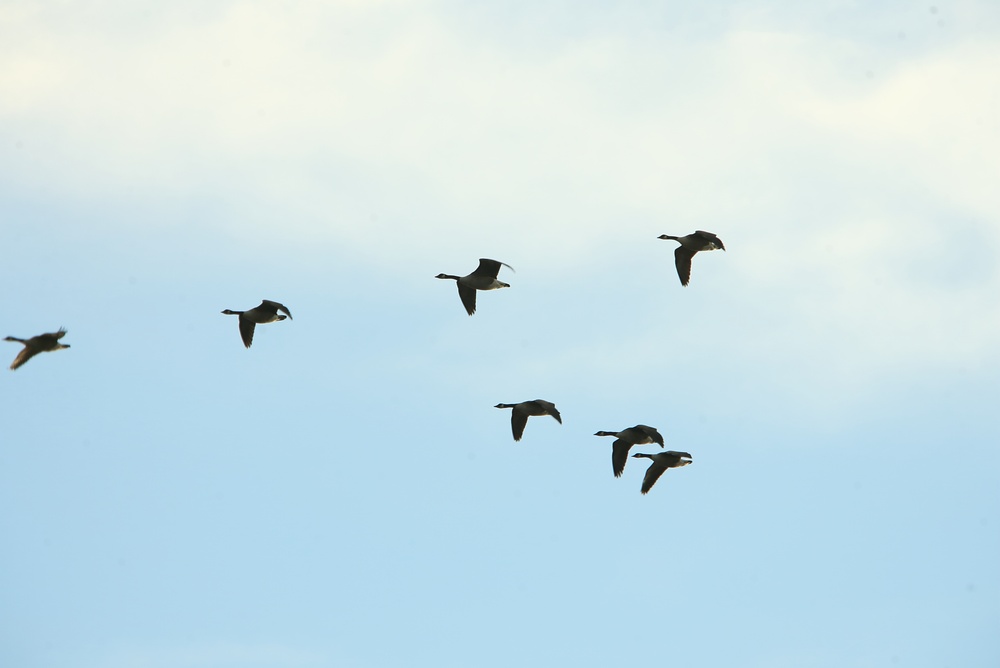
Despite their troubles, it is quite amazing how smart these birds truly are. Deterrents like plastic animal decoys, noise makers, sprinklers, or any of the other tricks often don’t last much longer than a couple of weeks before geese realize they are not real threats to their livelihood. They will adapt their routines to account for any extra booby traps they may need to avoid to survive. While combining treatments discussed can help in the short term, wildlife management services are the most effective in deterring geese from returning to start their family on your property, in your neighborhood, or by your favorite water feature.
Dealing with a goose problem on your property? Our team specializes in humane, legally compliant goose management programs tailored to residential communities, HOAs, and commercial properties. Contact us today for a property consultation and take the first step toward reclaiming your outdoor spaces.