
Do Female And Male Geese Have Different Behaviors?
Nesting Season: The Behaviors of Male and Female Geese
The sex of a goose determines some unique behaviors, making it important that these monogamous birds stick together and parent their goslings as a pair. Breeding season is the most obvious time to notice the differences between males and females, as they tend to demonstrate more parental and aggressive behaviors. Males take on a protective role, patrolling around the nesting area and keeping their mate and eggs safe. The females focus on the immediate needs of the eggs, keeping them warm and incubating them for up to four weeks. Read below to learn about the unique differences in behavior.
The Common Behavior Traits of a Male Gander
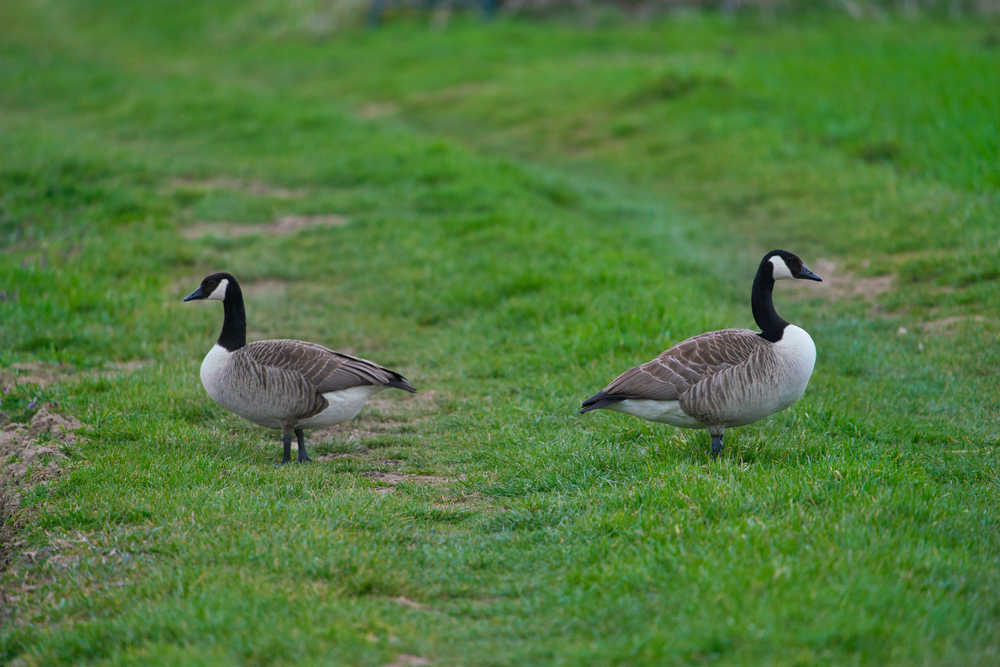
The male role within their flock is defined by their protective behavior. While female geese stay on the nest to incubate the eggs, the males protect the perimeter around the nest. During breeding season, males are extremely aggressive, especially if any potential threats come within a certain distance of their nesting site. A male goose, or gander, spends the majority of his energy patrolling and monitoring the area for predators or any dangerous threats. While females are the last line of defense, males are the first barrier any predators must face to reach the eggs. The aggressive response of the gander is a clear reminder that geese are wild birds. They will hiss and honk at their highest volume, charging at full speed, flapping their wings to scare away predators. After goslings hatch, the gander continues his protective behavior. Males will keep near the young, putting themselves in the way in case of an attack. He will intercept any danger and often leads the goslings when moving around. Males are tough and aggressive, and will charge at their most common predators like raccoons and foxes, but have even been known to charge at large wild animals in order to protect their goslings.
The Common Behavior Traits of a Female Goose
Female geese will spend a lot of their energy on choosing a place to nest and for their eggs to incubate and hatch. The decision on where to build their nest is extremely important. Waterfowl birds rarely move their eggs, so once the nest is chosen, it has to remain safe. Female geese tend to select the same nesting site each breeding season if they feel it’s a safe place to hatch goslings. After laying the eggs, females will assume the role of nest protector. During the incubation period, a female goose becomes fiercely dedicated to the nest and keeping the eggs warm. Because of their unwavering diligence, females will often lose weight. They stick with the eggs, reducing the time they would otherwise graze and eat. The female role is the last line of defense for the unhatched goslings. If any predators come near the nest, the female goose will become more aggressive, flapping her wings and hissing. Even after the eggs hatch, female geese will continue their attentive behavior towards their goslings. They follow them closely, ensuring they learn to swim and search for food.
Shared Behavior: How Geese Parent Their Young
Geese are monogamous birds, meaning they will parent their goslings together, whether they stick around or decide to join a new flock. These birds have shared roles after their goslings imprint on each parent equally. The differences between each sex aren’t as noticeable during the winter. As the geese migrate and find a place to stay during the cold season, their behavior begins to focus on survival. Navigating migration, changing weather, freezing temperatures, and foraging for food all become the most important aspects of their lives. Together, they explore and create a new life until late spring. While in some ways the geese have their own roles, they do have behavioral overlaps. Both males and females become more aggressive during the breeding season. They seem to have short tempers and are willing to go out of their way in order to shut down any threats.
Physical Attributes of Female and Male Geese
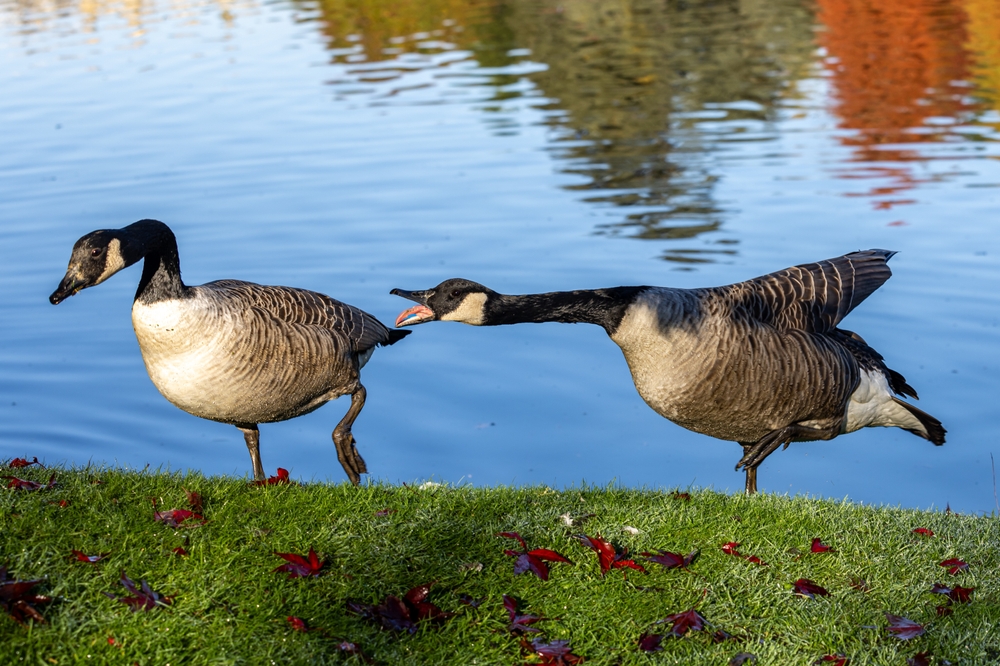
When trying to identify the sex of a goose, there are a few physical attributes to look for. Maybe the most obvious identifier is their plumage. The coloration of birds can help us distinguish whether we’re looking at a goose or a gander. Canada geese are a great example for us to examine. Male geese tend to have brighter coloration, mostly noticeable on their necks and heads. This is easiest to notice when males and females are next to each other because the females appear to have a duller coloration. While the necks and heads of Canada geese are black, you can see a white patch on their heads, which is typically larger on males. Male geese are usually larger, weighing up to 14 pounds, while the largest females don’t surpass 12 pounds. The necks of male geese are usually longer, and their bills stick out further. Birds will have their own unique plumage and physical size, but if you look closely, you might be able to tell the sexes apart just by their appearance.
When Is the Best Time for Geese Removal?
Geese removal can be done throughout most of the year, but is especially important leading into breeding season. As geese migrate north for the warmer weather, they will find a place to land. Once the female goose selects a spot to nest and lay eggs, they aren’t moving. The parents will protect the eggs and may even attack anyone near the nest. By waiting to have goose removal experts assess the situation, you might be giving the geese the green light to stick around. The last thing we want is for a client to have geese nesting on their property before we can put our trained goose dogs to work, because geese can return year after year to the same nesting spot. Don’t hesitate to call Go Geese Go to talk about our services and schedule a no-obligation consultation.
Go Geese Go Geese Control Specialists Near You
Go Geese Go provides the most effective and humane methods of geese removal. Our services are approved by The Humane Society and other animal protective services. We work with clients of all sizes and types to scare geese off their properties and help the owners to reclaim their space. From residential areas to large corporate campuses, Go Geese Go is ready to work with you to herd the geese away.