
How Can I Talk To My Property Board About Goose Control?
Have you ever gone for a walk in your neighborhood and been met with an angry flock of geese? Perhaps you haven’t come into close contact with the birds, but have encountered an abundance of goose droppings while trying to wrangle children or pets? Although Canada geese are a beautiful part of Ohio’s wildlife, they can pose serious health, safety, and maintenance concerns that are costly for both residential and commercial property owners. Approaching a property board to address a goose control issue requires preparation to build a persuasive case. This blog will discuss why geese are visiting your property, how costly their presence can be, and how to present a compelling case to the property board.
Understanding Why Geese Are Attracted to the Property
There are three factors that a Canada goose is looking for when finding a new home: wide open green space for grazing and visibility, safe nesting locations, and some sort of water source. It’s important to understand why geese are attracted to the property because these are often features that are difficult to change about the property. Additionally, geese are creatures of habit. Without some semblance of goose removal intervention, these birds will return each year to hatch and grow their family. When addressing the property board, they must understand this problem will not go away without humane goose remediation.
Documenting Geese Problems on the Grounds
When presenting a case to the board, you must be prepared to submit evidence that there is a goose population wreaking havoc on the property. Keep notes, including the dates and times of these events. Consider taking photos and video evidence as well, so that you can show the board. As they say, pictures are worth a thousand words, and the goose’s behavior may be taken more seriously with these references. Talk to neighbors and other community members to gather testimonials about their experiences and concerns to support your case. If any current deterrence methods are failing, take notes and photos of them as well.
Researching Humane Goose Deterrance Solutions
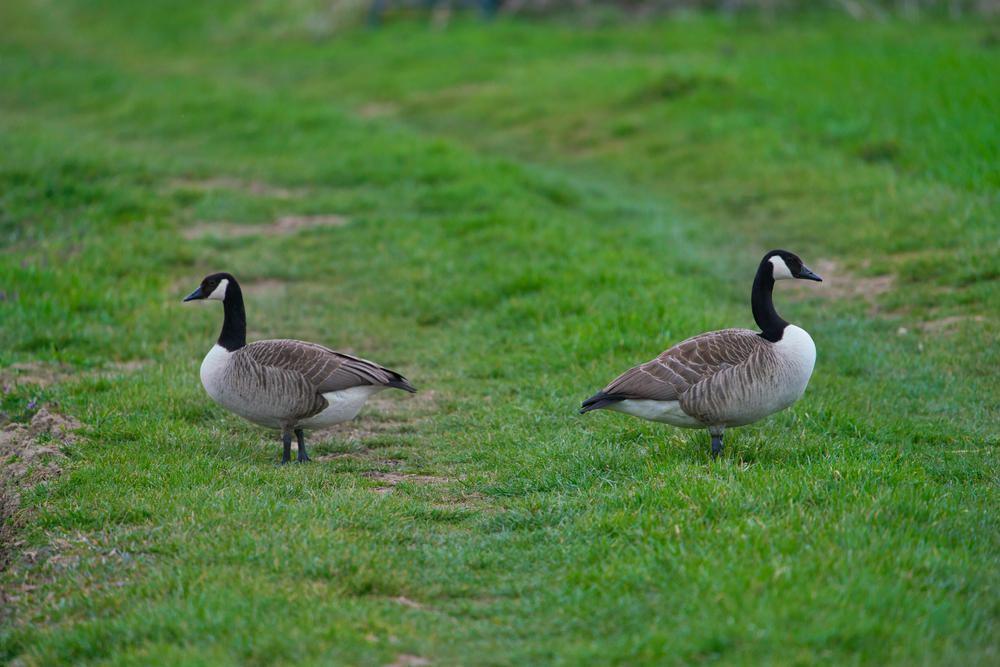
Before meeting with the board, do some research on humane goose removal solutions. When you come to the meeting with solutions to your goose problems, they may be more willing to try them. Options like habitat modifications, visual and auditory deterrents, or canine intervention humane practices to encourage geese that this area is not safe for them any longer. Take your time in researching these options to understand both the pros and cons to better field the board’s questions.
Build Your Case: The Cost of Goose Management Inaction
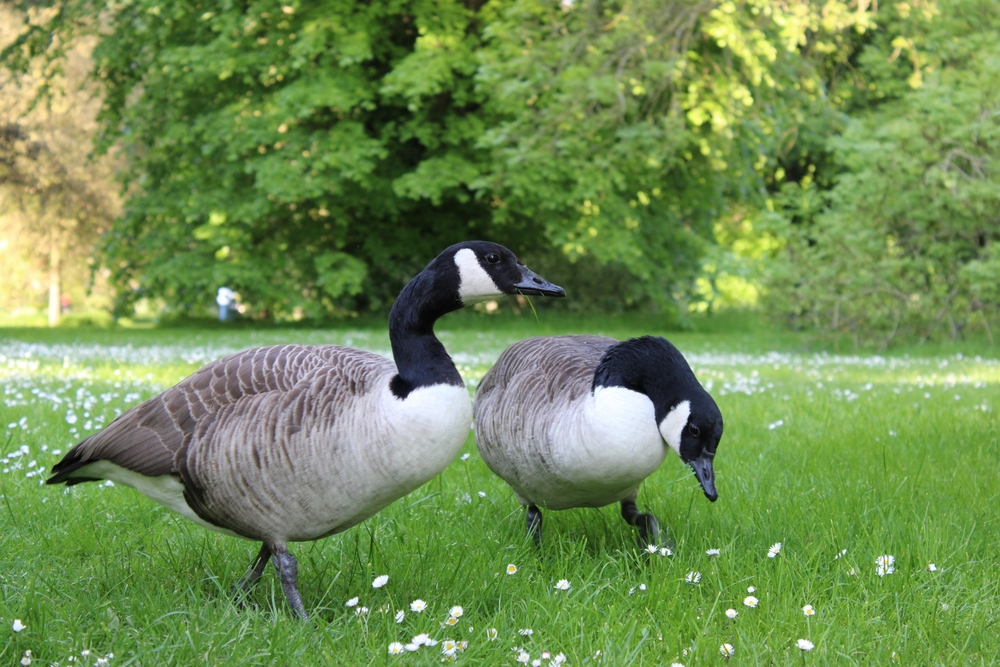
If members of the property board do not live or work in the community, it’s imperative to speak a language they understand: money. Build your case around the long-term costs of not intervening in the goose problem. Constant clean-up costs to remove goose droppings to avoid slip and fall litigation, water quality issues that will need treatment, health concerns for pools, and decreased property value once word gets out that there is a goose population taking over the neighborhood. Provide cost evaluations on the difference between one season of goose removal services versus the long-term cost without action.
Presenting Humane Goose Control Options
When it comes time to present your concerns to the property board, there are a few more things to keep in mind. Most meetings of this nature will need to be concise. Keep your presentation within a 10-15 minute window. Sometimes these meetings can be cut short for a multitude of reasons, so we suggest coming prepared with a physical handout to provide the board members. This handout should summarize the problem and solutions you exhibited. Include a few companies they can contact to start taking action quickly. Although this may seem like you are doing all the work to fix the goose problem, the reality is that the easier you make it for the property board to address, the more likely they are to address it. If this is not your first attempt to address the board with a concern, consider bringing others to support your cause.
Addressing Common Board Objections About Geese Control
Do not arrive at the meeting without a rebuttal when faced with pushback. Common questions about costs, long-term solutions, how effective maintenance versus professional services are, and more may need to be addressed. This is why educating yourself on the animals themselves, their patterns, and behaviors is essential to being prepared. Remember to stay calm and respectful when speaking with the board members. Presenting yourself as a problem solver, rather than a complainer, will serve you in the long run, not only regarding a goose problem, but any other situation that you may need to address with the property board.
Following Up and Maintaining Momentum
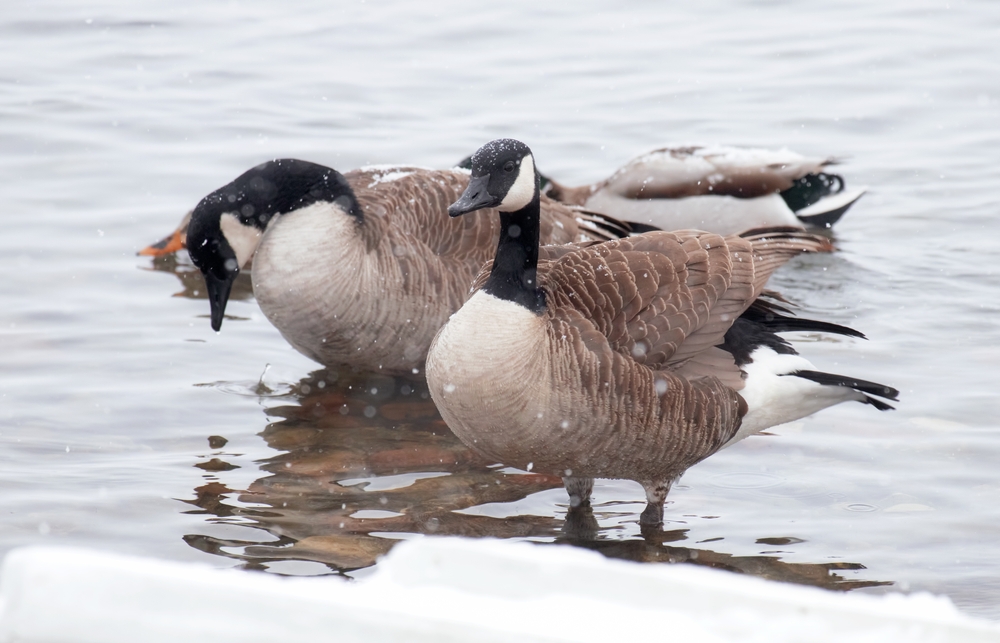
A single meeting with board members will rarely produce an effective outcome. Keep in mind that they are constantly presented with problems, and multiple meetings may be necessary to get the ball rolling. Keep your expectations low, but note that often the squeaky wheel is the one that gets oiled. After the meeting, follow up with an email expressing your gratitude and asking about the decision-making timeline. Make sure you keep a schedule of when to follow up with them. It’s important to check in with them on the process while also respecting that there may be factors beyond their control affecting timeliness. Offer to be helpful in any next steps, whether that be research-oriented, communication, or implementation.
If your neighborhood or business is experiencing a geese population issue, contact our office today to find out more about our humane goose management tactics!