
How Do Geese Populations Impact Local Ecosystems Long-Term?
The Negative Impacts of Geese Waste
Geese can be a nuance, but they can also pose safety risks for the local ecosystem. Because geese can produce a shocking 2 lbs of waste per day, an entire gaggle of geese can quickly impact the ecosystems they occupy. That means a gaggle of 50 geese could potentially produce 100 lbs of waste every single day. Geese droppings can act as a toxin that is harmful to the health of humans and other species. The droppings of a goose contain high levels of nitrogen. High levels of nitrogen promote algae growth, which can be detrimental in a still body of water. Aquatic life and other nearby animals can be harmed, and the impacts of algae are known to cause death in extreme situations. Geese are likely to stay in an area for months to avoid the frigid results of Winter or the excessive heat from warmer months.
Geese management and the control of their population is a difficult undertaking, however, there are humane ways to control these birds. While hunting geese is illegal in almost all cases, geese control is an effective technique to clear the property of these aggressive creatures. As geese control experts we encourage anyone who has a geese problem to reach out to us to discuss the best solutions. Don’t allow geese to take over your property and become used to living there!
The Challenge of Rising Geese Populations

Geese have become commonplace in many areas throughout Canada and the United States. After migrating for Winter, geese will continue their breeding cycle and produce goslings. Geese population continues to rise in Northern America due to the mild weather conditions and ample resources like food, and safe environments for nesting. Geese populations have continued to rise in these regions for many years steadily, while populations in the Arctic have dropped significantly over the last decade.
Geese are drawn to urban environments due to the lack of natural predators, water features, and abundance of food. Prior to this shift in geese behavior, these birds would typically nest at a lake, or nearby a body of water. Now geese flock to man-made parks, recreational areas, and open fields in urban environments. Canada geese and other species of waterfowl are attracted to bodies of water with nearby open grassland, and so many man-made urban green spaces are ideal locations during migration. Geese have become one of the more difficult bird management projects the government has undergone this decade.
Geese have become well-known as rather aggressive birds and see nearby humans, dogs, and other animals as threats. This is especially true when a goose is protecting their nest. As geese populations continue to rise bodies of water cannot be proportionately overrun with these aggressive birds. With large gaggles commandeering public spaces, it can push out other species of birds and pose a safety concern for nearby humans and their pets.
Death Causing Toxins in Local Ecosystem
High geese populations can have a tremendous impact on the local ecosystem. Geese produce a significant amount of waste each day, especially when these birds live together in a large gaggle. Hundreds of geese in one lake, pond, or other local body of water can produce thousands of pounds of waste each week. As geese waste builds up in a body of water the results can have a devastating impact on the local wildlife population, harming many different species in a single ecosystem. Algae blooms are an event that happens in a body of water when algae grow quickly. These algae can produce toxins that are released into the water. These toxins can kill species that live in the water, and even harm species that feed off the aquatic wildlife. In both the United States and Canada algae blooms caused by geese and other factors have led to economic loss. Algae blooms can lower the population of sea life that would otherwise be captured and sold for consumption.
Hypoxic Water Conditions Impacting Local Wildlife Populations
Unfortunately, algae blooms cause even further problems when they die or are broken down by zooplankton. As a result of decomposed organic matter, the oxygen levels can quickly drop causing hypoxia. Hypoxia is a result of low oxygen in the body of water; it becomes so low that many of the species cannot continue to live. Toxins combined with hypoxia can result in the death of fish and other nearby animals. Some algae blooms aren’t toxic, but can still kill ducks and other waterfowl. The impact that geese can have on an ecosystem can be disastrous creating what is called a dead zone, an area that very little life can exist in while it’s active. Algae blooms can also create a canopy that blocks out any light from penetrating the water’s surface, or congest the gills of fish making it impossible for them to breathe properly. Allowing geese to continue breeding and increasing their population in a single body of water can result in the death of many local wildlife animals. The population of birds, fish, and other species that drink the water are all at risk.
How Waste Spreads Viruses and Illness
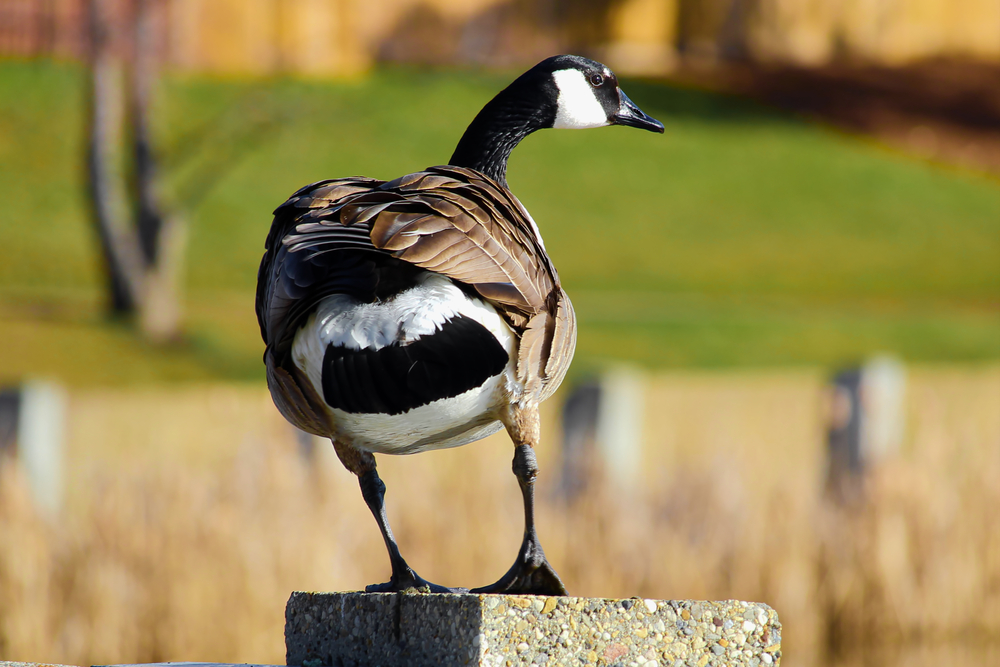
With flocks of geese migrating across both the United States and Canada, it’s not possible to track their health closely. Depending on their individual health, the waste of a goose could be dangerous. The contaminants, viruses, and diseases that can be present in geese feces can be toxic, cause infections, and harm other animals. Geese feces can contain bacteria and parasites which can infect other species, especially those drinking from the body of water the geese have made their home. These contaminants may cause illness in animals within the ecosystem, and can even cause death. Protozoan parasites can spread to dogs when they touch geese waste, or even through drinking the water in a lake or pond. These parasites can in some cases be transferred to humans and can cause serious illness. Geese tend to migrate multiple times a year and can impact an ecosystem in a short time. If geese are overtaking your property, they can do more damage than simply being a nuisance. Contact Go Geese Go for more information on how we can provide solutions for your geese problems.
Other Long-Term Impacts of Geese
While water treatment facilities have become more advanced over the last few decades, there have been cases where disease was spread because of goose waste. When the population of geese becomes too high a local water supply can be impacted. This can cause issues with water control and even spread illness. In more extreme cases of overpopulation, geese can impact the local economy. By impacting local fishing spots, local professional fishermen can have trouble catching the fish they sell locally every day due to algae blooms. A high population of geese in a small body of water can also result in unappealing, murky waters. With geese causing these issues for some businesses, it may be advantageous for management to call a geese control service sooner rather than later.
Taking Control of Geese Populations on Your Property
A goose infestation can be very frustrating, cause problems with customers, become a nuisance for employees and can disrupt recreation. As populations of geese continue to rise in both the United States and Canada, we have to take more proactive steps in geese management. Geese are wildlife birds, however they have become more domesticated over time. In some cases, Canada Geese have even maintained their stay in one location throughout the year instead of migrating. They continue breeding in the same spot and the local populations increase. Not only are they frustrating to have on your property, but they can pose a health risk. Their waste can be dangerous for wildlife, ducks, and other birds, and can even impact the health of humans.
We have become experts in goose management and specialize in geese control. Our team is ready to tackle any goose problems you may be facing and create a plan of action to have them removed from your property. By utilizing specialty-trained Border Collies we simulate a hunting experience for the geese to scare them off the property. This has been shown to be the most effective geese control technique, and far outperforms other gimmicks like scarecrows and ultrasonic geese-repellent gadgets. Schedule a consultation with Go Geese Go today to learn more!